Field Engineer Dispatch and Tracking Software for IT and AC Service Companies
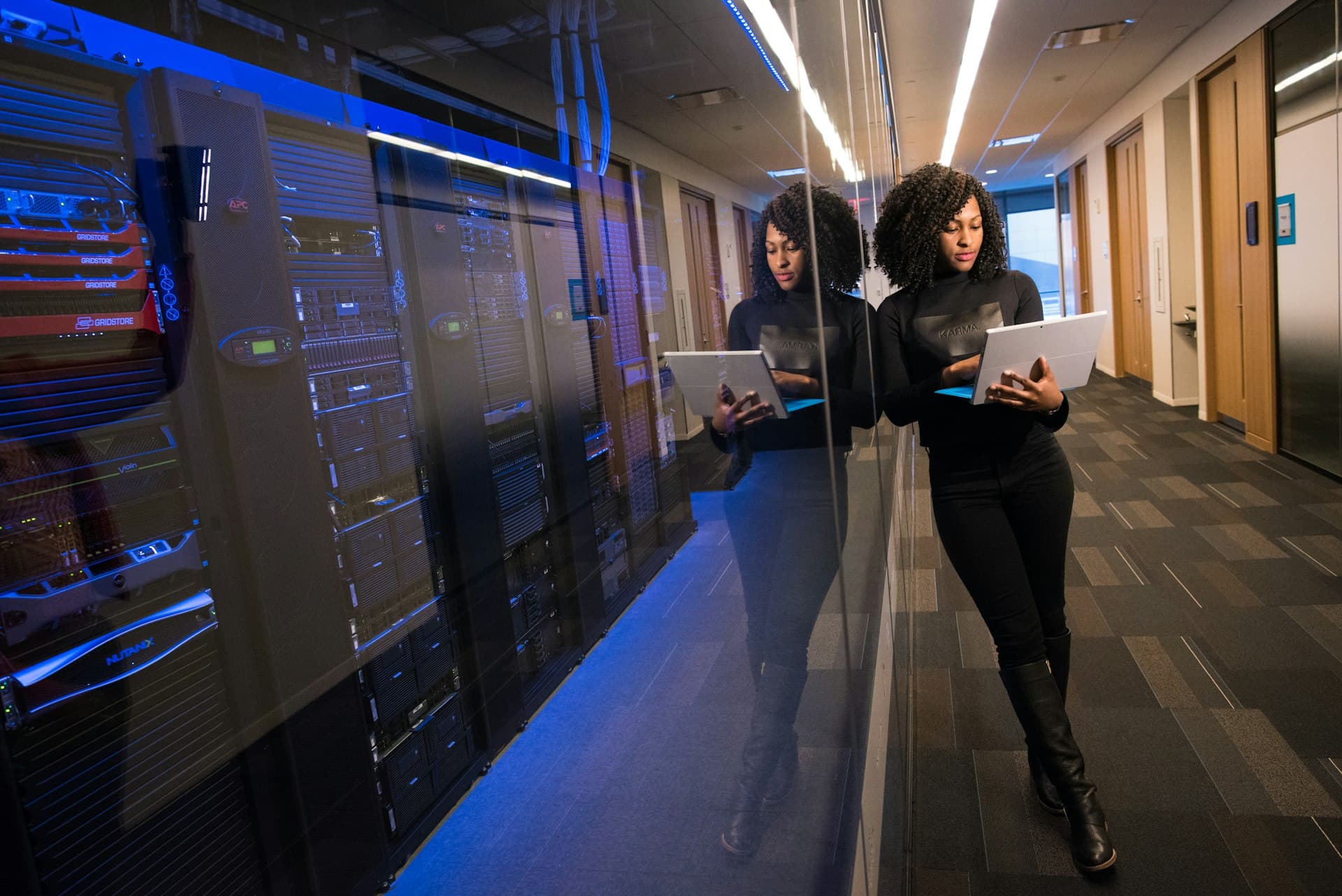
Managing field engineers via WhatsApp is chaos — wrong location, unknown status, no accountability. Here is how service companies are fixing field operations with proper dispatch and tracking software.
The operations manager of an IT support company in Pune described the morning routine perfectly: "At 9 AM, I have 12 field engineers, 20 service calls, and a WhatsApp group that looks like a war zone. By 10 AM, two engineers are at the same site and one urgent call in Kothrud has nobody assigned. By 11 AM, a client is calling me directly because nobody showed up. This is every day." If this sounds familiar, the problem is not your engineers — it is the dispatch system. Or more accurately, the lack of one.
Why WhatsApp Dispatch Does Not Work at Scale
WhatsApp works for a team of three. At six engineers handling 15+ daily calls, it breaks down. The fundamental problem is that WhatsApp is a communication tool, not a coordination tool. It has no concept of assignments, no visibility into engineer availability or location, no automatic reminder when a call is close to SLA breach, and no record of what was done where. Every piece of information that a dispatcher needs to make good decisions — who is available, who is nearby, which calls are urgent — must be manually pieced together from fragmented messages.
What Field Service Dispatch Software Does
- Service call creation and assignment — when a client reports an issue, a service call is created in the system and assigned to the nearest available engineer with the right skill set. Not "replied on WhatsApp."
- Engineer status board — a real-time view showing every field engineer, their current assignment, their estimated completion time, and their next available slot. Dispatcher can make decisions in seconds.
- SLA countdown — every call has an SLA (4-hour response, 8-hour resolution, etc.). The system counts down and alerts the dispatcher when a call is approaching breach.
- Engineer mobile app — engineers receive assignments on their phone, navigate to the site, update job status (arrived, in progress, completed), and collect client signatures digitally.
- Job closure with notes and photos — before closing a job, engineers add notes about what was done, parts used, and photos of completed work. This creates a service record and protects against disputes.
The Client Experience Difference
When a client calls to say "where is the technician?" your answer should not be "let me check the WhatsApp group." It should be "He is currently completing a job 3 km from you and will arrive in approximately 25 minutes." The first answer erodes confidence. The second builds it. Clients renew AMCs with service companies that feel organised and reliable. They do not renew with companies that feel chaotic, regardless of technical quality.
Grovia's Field Service Tools
Grovia's service ticket and client management system gives IT and CCTV service companies the foundation for organised field operations. Service tickets are created, assigned, and tracked through resolution. Client history is available at the point of assignment so engineers arrive informed. Managers have a live view of all open tickets and their status. The result is less dispatcher stress, faster response times, and better client satisfaction scores — all translating to higher AMC renewal rates.





Practical, India-specific advice on running a service business better — no fluff, unsubscribe anytime.