Social Media Reporting Software for Marketing Agencies: From Data Overload to Clear Client Updates
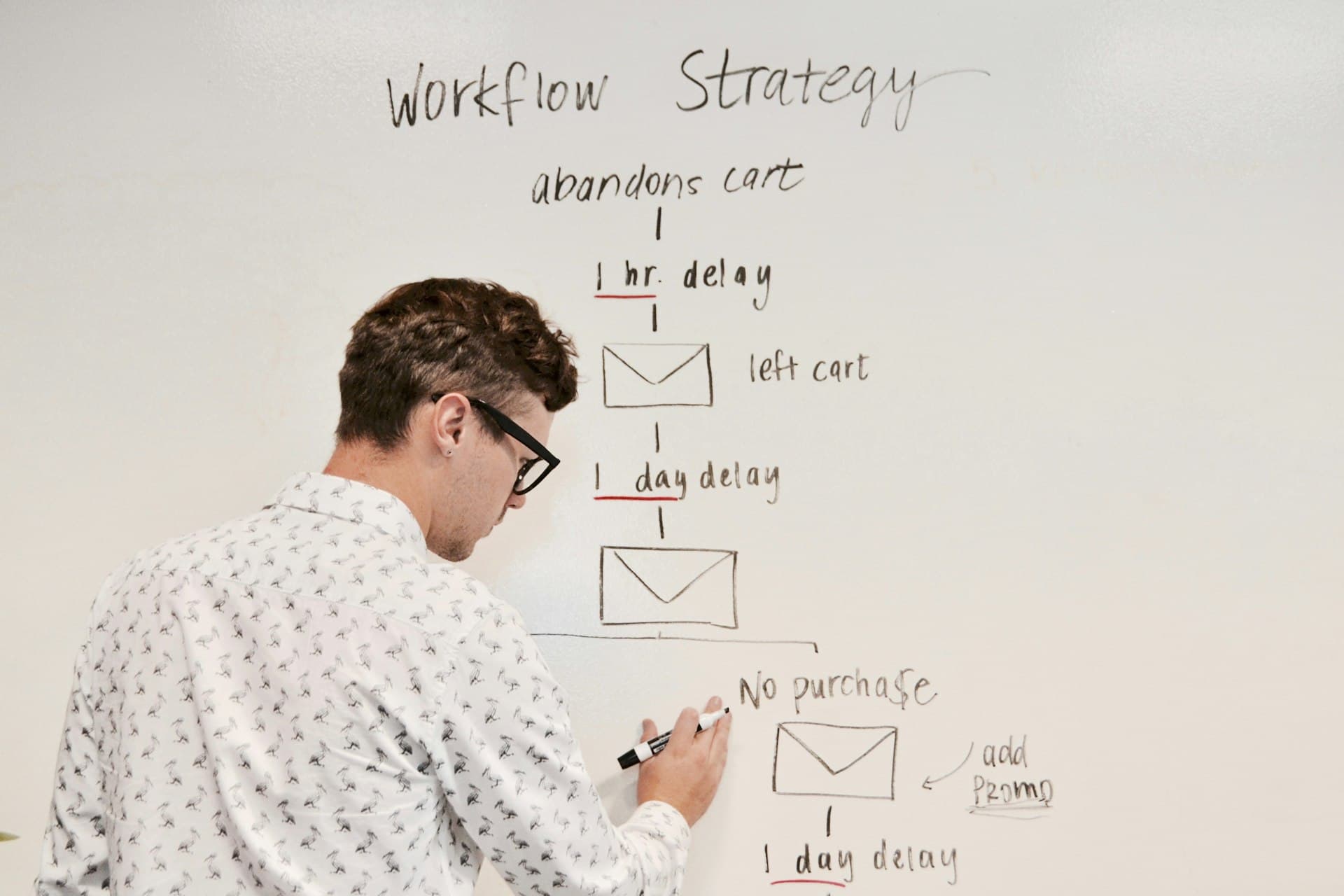
Manual social media reporting takes hours every month and still does not impress clients. Here is how to automate it and deliver reports that actually demonstrate your agency's impact.
Social media managers at digital marketing agencies spend an estimated 6–10 hours per month per client creating reports. Screenshot, copy number, paste into PowerPoint, format, repeat. For an agency managing 15 social media clients, that is potentially 150 hours per month — nearly a full-time employee — spent on reporting rather than the actual work of creating and optimising content. This is time that produces zero additional value for clients. It is purely administrative overhead that should not exist in its current form.
The Problem with Manual Social Media Reports
Beyond the time cost, manual reports have quality problems. Numbers are pulled at different times from different platforms, creating inconsistency. A manager copying data from Instagram Insights, Facebook Business Suite, LinkedIn Analytics, and Google Analytics in four separate sessions will almost certainly make data entry errors. And when a client questions a number, there is no audit trail — just a screenshot from some date that nobody can reproduce.
The other problem is presentation. A 40-slide PowerPoint of raw analytics data does not communicate impact — it communicates that the agency is busy without necessarily being effective. Clients want to see outcomes, not dashboards. The best reporting tools force the agency to translate data into meaning.
What Social Media Reporting Should Do
- Centralise all platform data — Instagram, Facebook, LinkedIn, YouTube, Google Ads all in one view, with consistent date ranges and metrics definitions.
- Highlight goal progress — every month should be measured against agreed targets. Follower growth vs target, engagement rate vs benchmark, leads generated vs goal.
- Best-performing content — show clients which posts performed best and why. This demonstrates that the agency is paying attention and drawing strategic insights, not just posting.
- Competitor benchmarking — where relevant, show how the client's performance compares to competitors in the same industry.
- Shareable, professional format — the report should be something the client can share with their own board or management without embarrassment.
The Client Communication Multiplier
Regular, clear social media reports do more than inform — they create ongoing reasons for client engagement. When a client gets a report showing their best-performing post of the month generated 3x the normal reach, they want to know why and what to do more of. That conversation positions the agency as a strategic partner, not just a content factory. The more clients see value, the more confident they are in renewing and expanding the engagement.
How Grovia Supports Social Media Agency Reporting
Grovia gives agencies a client management layer to track campaigns, log monthly deliverables, and maintain client records — all accessible through a client portal. While Grovia is not an analytics platform, agencies use it as the operational hub that organises reporting workflows, tracks what was delivered to which client, and manages client communication around campaign performance. Combined with the specialist analytics tools agencies already use, Grovia handles the client relationship and organisational side so agencies can focus on the strategic work.





Practical, India-specific advice on running a service business better — no fluff, unsubscribe anytime.